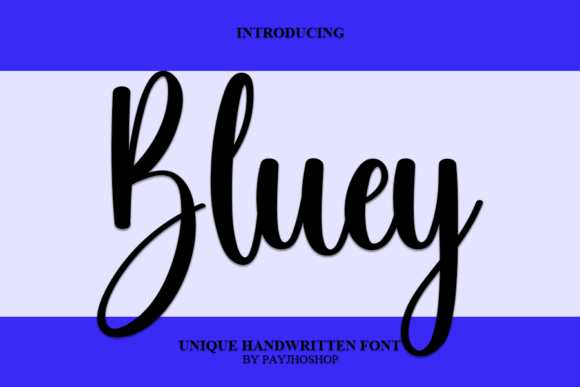
Bluey: The Modern Handwritten Font for Creative Projects
A Fresh Take on Handwritten Typography
Finding a font that feels both personal and professional can be a challenge. You want something with character, but it also needs to work across different media without losing its charm. That’s where Bluey comes in. This modern handwritten font strikes a balance between casual elegance and practical design, making it a versatile tool for creators who need more than just another script font.
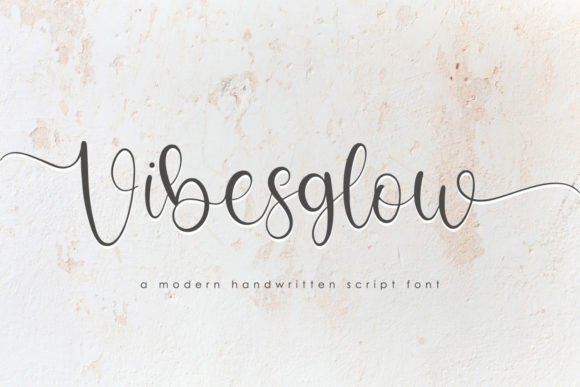
Unlike overly formal calligraphy or messy grunge styles, Bluey has a clean, contemporary flow. Its letterforms are slightly irregular in a natural way, mimicking the organic movement of a pen or brush without looking chaotic. The baseline has a gentle, consistent rhythm, which helps maintain readability even in longer phrases. You’ll notice subtle variations in stroke width that give it a handcrafted feel—this isn’t a mechanical, repetitive pattern. It’s the kind of typeface that feels approachable yet polished, suitable for projects where you want to add a human touch without sacrificing clarity.
Where Bluey Shines: Practical Applications
Think of Bluey as a creative font that adapts to your project’s needs. For digital designers, it works beautifully in social media graphics, website banners, and email headers. Its informal personality makes it ideal for brands that want to appear friendly and relatable—think lifestyle blogs, boutique shops, or creative agencies. In packaging design, Bluey can add artisanal appeal to product labels, especially for items like cosmetics, gourmet foods, or handmade goods. The font’s handwritten style suggests authenticity, which can influence how customers perceive a brand’s identity.
For entrepreneurs and small business owners, Bluey offers a practical solution for logo design and brand materials. It’s distinctive enough to create recognition but legible enough for business cards, invoices, and promotional flyers. Pair it with a clean sans serif font for body text, and you have a cohesive visual hierarchy that guides the reader’s eye. In editorial design, Bluey can highlight pull quotes, chapter titles, or featured sections, adding visual interest without overwhelming the layout.
Crafters and hobbyists will find Bluey particularly useful for personalized projects. Greeting cards, invitations, and scrapbook layouts benefit from its warm, approachable character. The font’s versatility extends to print-on-demand products, from tote bags to mugs, where a handwritten style adds perceived value. Even in presentations, using Bluey for slide titles or key points can make your content feel more engaging and less corporate.
Working with Bluey: Design Considerations
When integrating Bluey into your work, consider how it influences readability and visual hierarchy. As a display font, it’s best used for headings, short phrases, or accent text rather than long paragraphs. Its handwritten nature means it pairs well with simpler typefaces—a serif font for a classic contrast or a sans serif for a modern, minimalist look. Test different font pairings to see what complements your project’s tone. For example, Bluey alongside a geometric sans serif can create a balanced, contemporary aesthetic.
Evaluate whether Bluey fits your project’s context. It’s a premium font that conveys creativity and approachability, so it may not be the best choice for highly formal or technical documents. However, for branding, marketing, or personal creative work, it can enhance your message by making it feel more personal and relatable. Check the font’s included styles—some versions offer multiple weights or alternates, which can add flexibility to your designs.
Readability is key, especially in digital environments. Use Bluey at larger sizes for headlines or subheads, and ensure there’s enough contrast against the background. In web design, test it across devices to confirm it renders clearly. For commercial use, verify the licensing terms. Many premium fonts come with licenses that cover both personal and commercial projects, but it’s always wise to review the specifics to avoid issues down the line.
Why Bluey Works for Modern Brands
In a world saturated with digital noise, fonts like Bluey help brands stand out by adding a layer of authenticity. It’s not just about looking good—it’s about communicating your brand’s personality. A handwritten font can make your audience feel like they’re interacting with a real person, not a faceless entity. This emotional connection can boost engagement, whether you’re designing social media posts, email campaigns, or product packaging.
Bluey also supports consistency across platforms. Once you adopt it as part of your brand identity, you can use it across various touchpoints—from your website to print materials—to create a unified visual language. This consistency builds recognition and trust over time. As a modern typography choice, it reflects current design trends that favor organic, human-centered aesthetics over rigid, impersonal styles.
Ultimately, Bluey is more than just a font—it’s a design asset that can elevate your projects when used thoughtfully. Whether you’re a marketer crafting a campaign, a designer building a brand, or a hobbyist creating something special, it offers the flexibility and character to make your work memorable. Experiment with it, test its limits, and see how it can become a reliable part of your creative toolkit.